
Health tech · AI
CaloTracker
A photo of a meal goes in and an AI estimate of what is on the plate comes out. Testing focused on whether that estimate could be trusted.
- iOS
- AI output
- User testing
The product
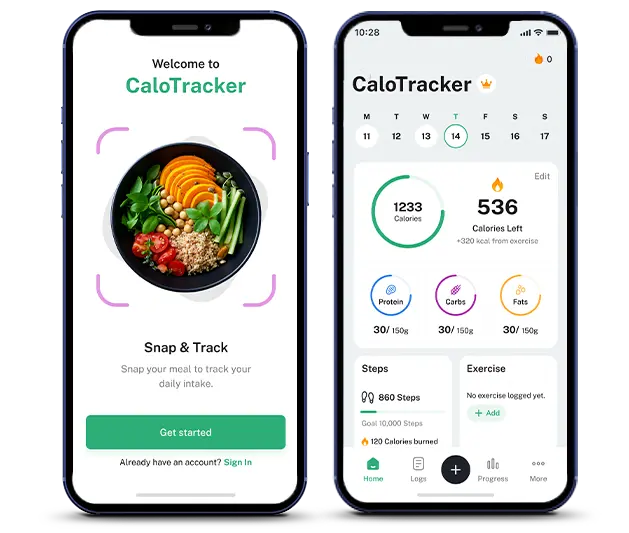
CaloTracker replaces manual food journaling, which is slow and easy to get wrong, with photo-based analysis. The user photographs a meal and the app returns an estimate of what it contains, using OpenAI’s models for the image analysis.
It is built for people managing their weight, so the numbers it shows shape real decisions about what they eat.
What had to be tested
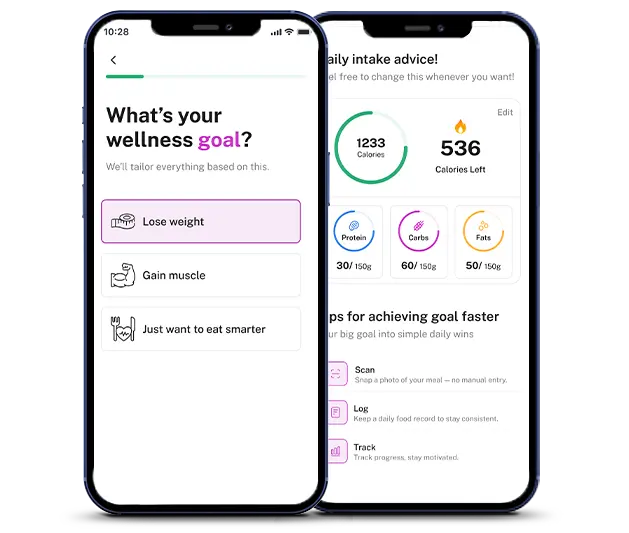
- The AI’s food recognition and nutrition estimates, checked against what was actually on the plate
- Photo-first logging, from taking the picture to a saved meal entry
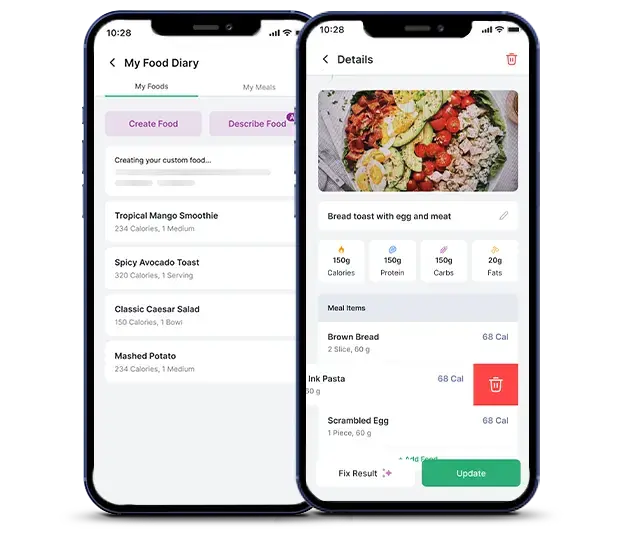
- Editable meal entries, so a user can correct what the AI got wrong
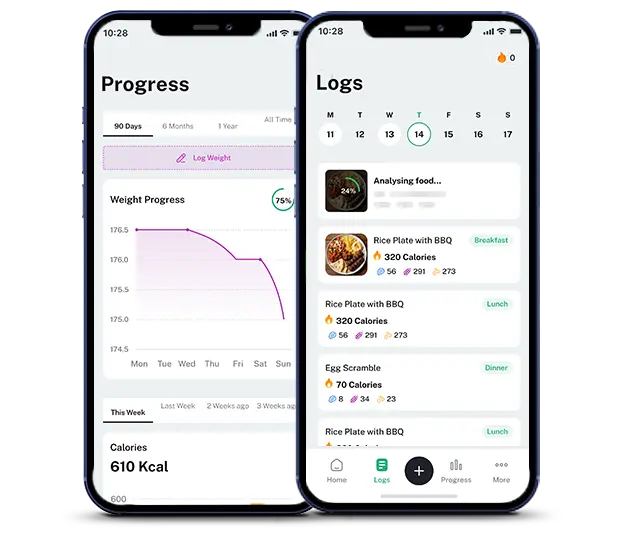
- Onboarding and meal history on iOS
How testing fitted in
Testing ran alongside design and build rather than at the end. User testing with real meals was used to tune the accuracy of the AI’s results.
Each design iteration was checked for smooth onboarding, history review and customisable meal entries before it moved on.
The outcome
What the project reported:
- Less friction in logging, with photo-first interactions
- Instant AI-powered insights to support food decisions
- Progress visibility that encourages long-term habits
- Clear, visual data output that users can trust
What we would test today
Meal estimates come from a model the team does not control. Today we would also test what the app does when that estimate is wrong: a dish misidentified, a portion doubled, an ingredient left out, or no answer at all. And we would re-run the same set of meals every time the model changes.
Tools and technologies
- iOS
- Flutter
- OpenAI
- Figma
- Miro
